Shinjuku Kabukicho: Where Old Neon Meets Something New
A night in Tokyo’s most misunderstood neighborhood
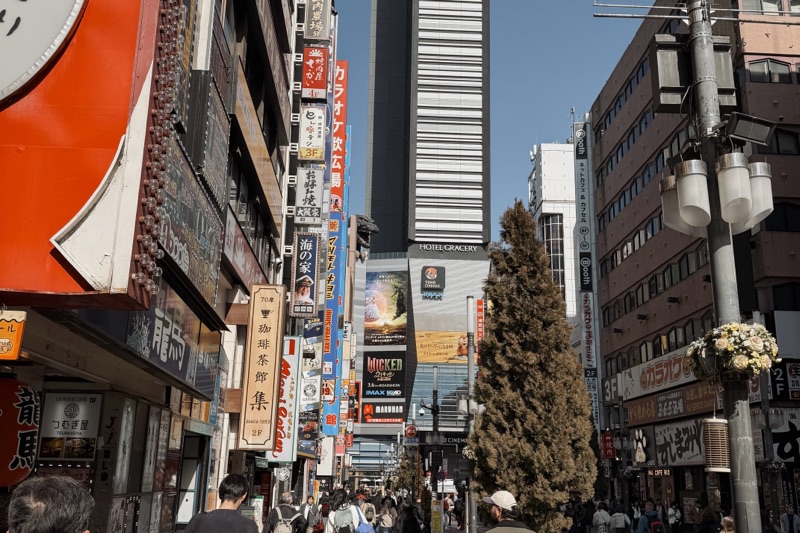
There’s a version of Kabukicho that exists in the Western imagination — loud, lurid, vaguely dangerous. And then there’s the Kabukicho I know, which is something far more layered and, honestly, more interesting than any of that.
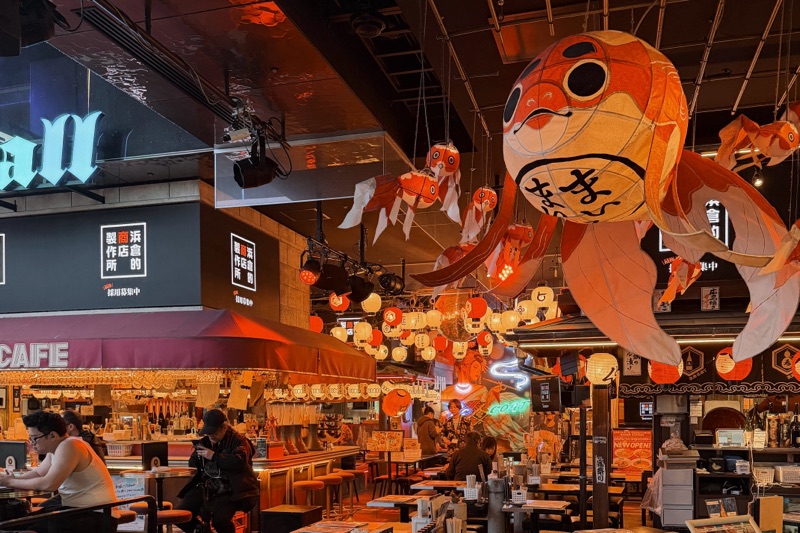
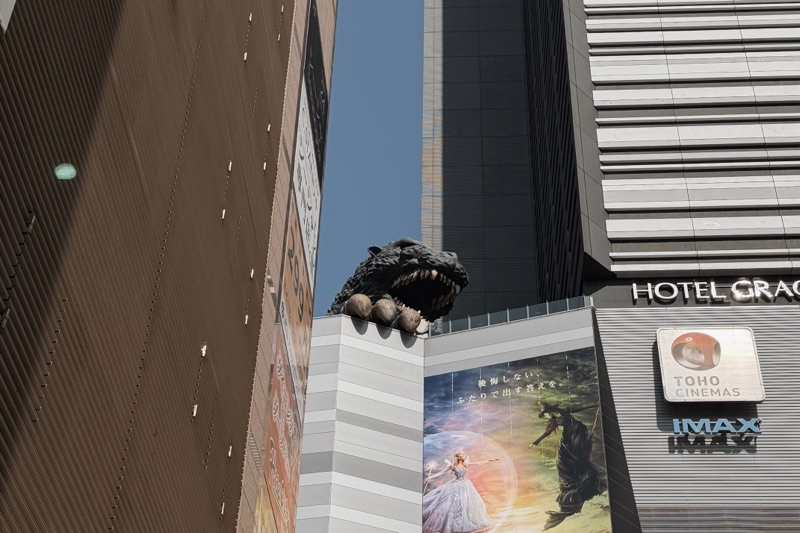
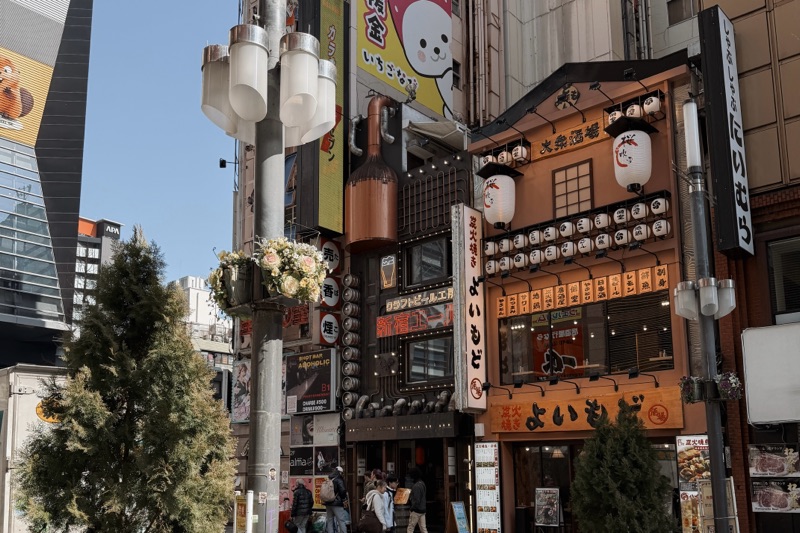
Shinjuku’s entertainment district doesn’t ask you to romanticize it. It just exists, unapologetically, in all its contradictions — old wooden signboards wedged between LED towers, a grandmother running a tiny yakitori counter twenty feet from a pachinko parlor, and somewhere above it all, a massive Godzilla head emerging from the Toho Cinema building like it belongs there. Because in Kabukicho, it does.
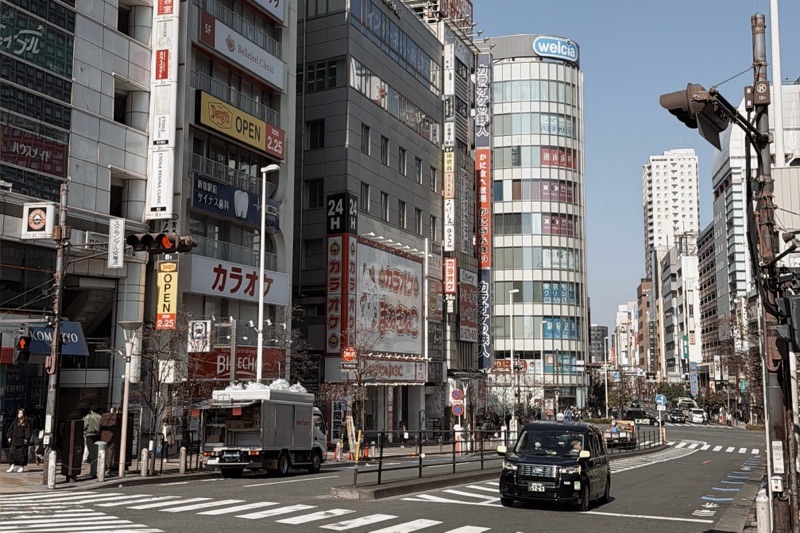
The Alleys Are Where It Lives
If you walk through Kabukicho on the main boulevard, you’ll miss the whole thing. The neighborhood reveals itself in its alleys.
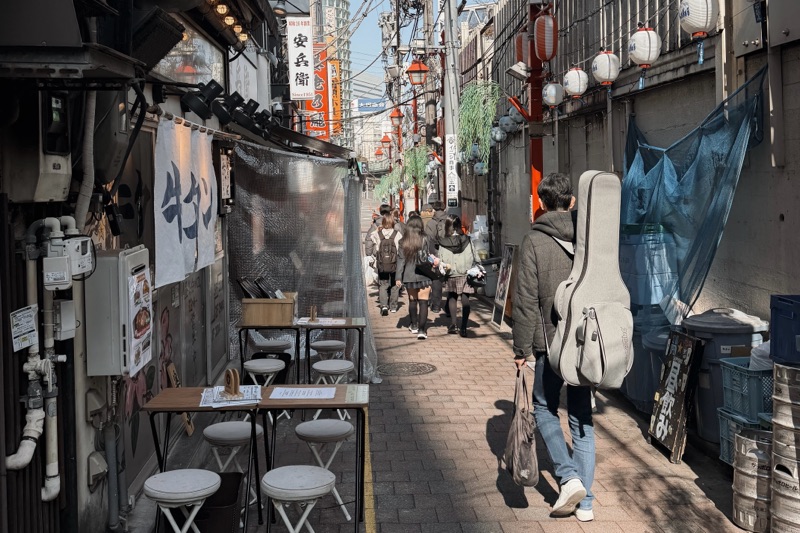
Tucked behind the busier streets are these narrow corridors — barely wide enough for two people to pass — lined with bars so small they hold maybe eight people total. You can see everything from the doorway: the bartender, the shelves of whisky, the couple at the counter leaning into conversation. These aren’t bars that advertise themselves. They glow quietly, warmly, like something you were supposed to find.
I’ve sat in places like this with a glass of Umeshu and felt, somehow, like I was the only person in Tokyo — even though thousands of people were steps away. That’s the strange intimacy of a good small bar in Japan. The smaller the space, the more carefully held the atmosphere.
Some of these spots have been in the same spot for decades. The owner might be the third generation to pour drinks here. The menu might be handwritten and unchanged for years. That continuity — in a neighborhood that feels like it reinvents itself constantly — is worth slowing down for.
Old and New, Without Apology
What I find genuinely fascinating about Kabukicho is that it doesn’t try to reconcile its contradictions. The old and the new simply coexist, sometimes within the same block, sometimes within the same building.
You’ll pass a retro-style yokocho — a narrow alley of stalls that feels lifted from postwar Tokyo — and then turn a corner into the Kabukicho Tower, the gleaming mixed-use complex that opened in 2023 and houses a hotel, entertainment venues, and more. Neither one seems bothered by the other’s existence.
This is, I think, a very Tokyo thing. The city doesn’t perform nostalgia, and it doesn’t worship newness either. It holds both with a kind of matter-of-fact acceptance. Kabukicho just does it more visibly than most neighborhoods.
Godzilla Is Watching
I have to mention it, because you’ll see it and you’ll understand immediately: the giant Godzilla head that emerges from the roof of the Toho Cinema building on Kabukicho’s main square.
It shouldn’t work. And yet it’s become one of my favorite things about the neighborhood — this enormous, slightly terrifying creature peering out over the crosswalks and convenience stores and crowds below. At night, with everything lit up, it feels almost theatrical. Almost surreal. But also completely right for a place that has never taken itself too seriously.
Landen noticed it immediately on our last trip, before I even had a chance to point it out. He stopped walking and just stared. I understood exactly how he felt.
A Note on Going
Kabukicho is worth visiting in the evening, when the neon comes fully alive and the alleys fill with the kind of energy that’s particular to Tokyo at night — purposeful, layered, unhurried despite appearances. Go without a fixed itinerary if you can. Duck into a small bar that looks interesting. Order whatever the person next to you is having. Let the neighborhood show you what it wants to.
It won’t be what you expected. That’s precisely the point.
Kabukicho is located in Shinjuku, Tokyo, accessible from Shinjuku Station’s east exit. The Godzilla head can be spotted from the main Kabukicho square near the Toho Cinema building.
